Beginner's Guide to Mediterranean Plants for a Low-Water Garden
A Mediterranean bed should look effortless in August: silver leaves, bees working the lavender, and no hose in sight. It is not effortless, but most of the effort is front-loaded. Nearly all of the real work happens in the soil preparation and the first two summers; after that the plants largely fend for themselves. What follows is a beginner's route into that style — which plants genuinely tolerate dry summers, and what the sun, soil and drainage needs of a Mediterranean planting actually are. It is written for gardens that get hot and dry, whether that is in Sicily, in the south of England, or on a sunny terrace in Milan.
Plants from the Mediterranean basin evolved with two seasons that matter: a long, hot, dry summer, and a cool, wet winter. They answer the first with small, waxy, often hairy leaves that lose little water, and with deep or wide root systems. The second is where beginners come unstuck. Most of these plants tolerate drought far better than they tolerate sitting in soggy soil through January. If a lavender or a cistus dies in its first year, the cause is nearly always waterlogged roots, not thirst.
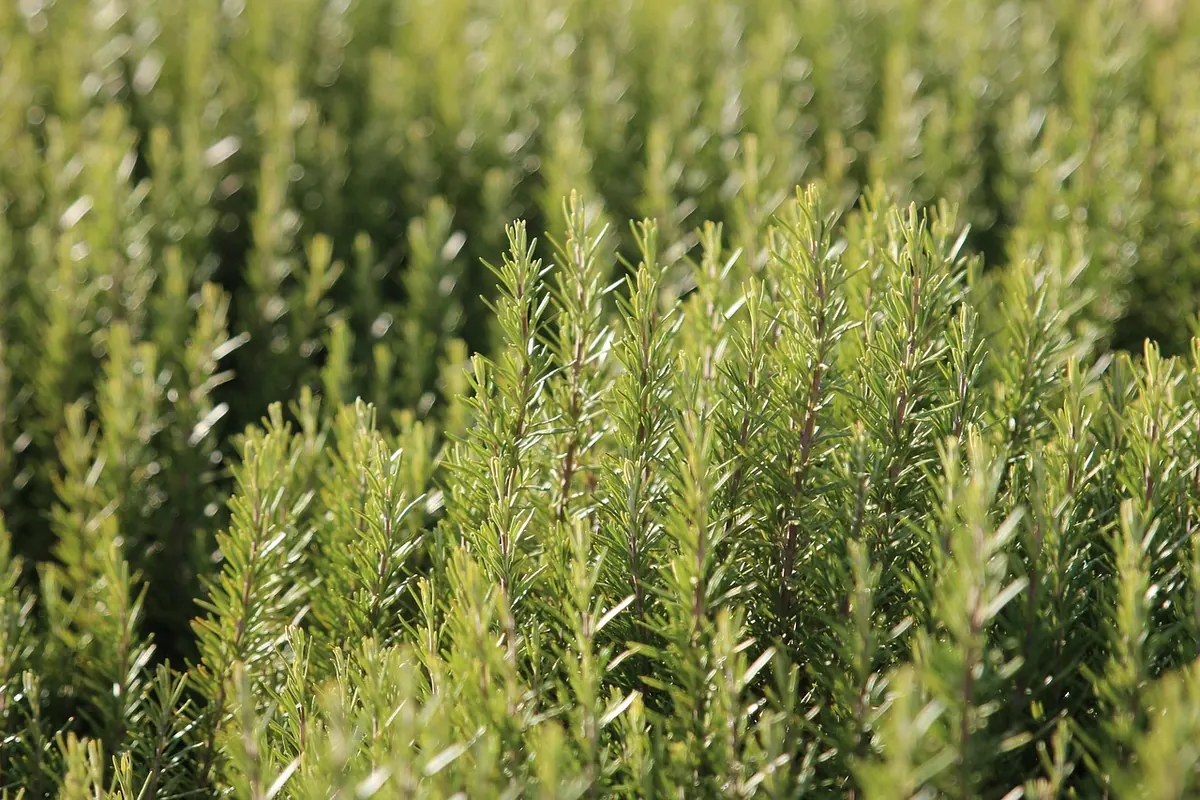
The second surprise is richness. Mediterranean plants do not want generous soil. Feed them well and they produce soft, floppy growth that is short-lived and prone to rot; a rosemary in a rich border will go leggy in three years and split apart in five. Lean, gritty, free-draining ground keeps growth compact, aromatic and long-lived.
Drainage is the whole game. You do not need to rebuild the entire garden; you need to fix the planting pocket and the planting level.
On heavy clay, dig a hole wider than you think necessary, fork the base to break any pan, and mix coarse grit into the backfill — roughly one part grit to two of your own soil. Horticultural grit or sharp sand works; builder's sand does not, because the fine particles clog rather than open the structure. Then plant slightly high, with the top of the rootball sitting two or three centimetres above the surrounding soil, and draw the soil away from the neck so water runs off rather than pooling at the crown.
If you garden on a slope, use it. Plant on the upper part of a bank where water drains away, not in the hollow at the bottom where it collects. If the ground is genuinely boggy in winter, raised beds or large containers filled with a gritty, soil-based mix are a better investment than any amount of plant selection.
Before you buy a single plant, dig a hole about 30 cm deep and wide, fill it with water, and come back an hour later. If the hole has emptied, you are fine. If water is still standing after two or three hours, treat the site as poorly drained and plant high, add grit, or choose containers.
Aim for at least six hours of direct sun, with the hottest part of the day included if you can get it. Sun ripens the wood, keeps the oil-rich foliage dense, and does more for flower production than any feed.
In cooler climates, winter shelter matters as much as summer sun. A south- or west-facing wall that dries quickly after rain is worth ten degrees of frost protection, and it is where the tenderish choices — myrtle, olive, some of the shrubby salvias — should go.
Resist crowding. Space plants at roughly half their final spread, or a little more, so that air moves between them. Good airflow dries wet foliage, discourages mildew, and lets each plant keep its own shape rather than merging into a green mass. A gravel mulch of five to eight centimetres around each plant finishes the job and keeps the necks dry; bark chips hold moisture against stems, which is the opposite of what you want.
These are the ones I would hand to anyone planting their first dry bed. All are widely available, and all will forgive a beginner's mistakes.
Water deeply and infrequently, and water the base rather than the leaves. In the first summer, a thorough soak every week or ten days is about right in hot weather; in the second, fortnightly; after that, only in a genuinely extreme drought. Frequent light sprinkling is the one habit to avoid, because it encourages shallow roots that depend on you.
Do not feed. Do not deadhead everything — seedheads carry the bed through autumn and feed the birds. And accept that a few losses are part of the process: replacing a plant that sulked is cheaper in time and water than nursing it for three seasons.
Containers are the exception. Even drought-tolerant plants need regular watering in a pot, because the root run is tiny and the compost dries fast. If you want a low-maintenance terrace, use the largest pots you can lift.
Prune lavender and santolina straight after flowering, cutting back into leafy growth but never into the bare, woody base — that is where they refuse to reshoot. Rosemary is trimmed after flowering in spring. Cistus needs only a light tip-trim to stop it flopping open; a hard cut will usually kill it. In colder gardens, leave the framework standing through winter rather than tidying in autumn, so the plant protects its own crown from frost. Top up the gravel every couple of years, pull weeds while they are small, and the bed will need perhaps two mornings of your year.
For a sunny bed about three metres by two, on ground you have cleared and gritted: five lavenders along the front edge, spaced about 40 cm apart; three rosemaries behind them, 60 cm apart; three santolinas at the sunny end; and a scatter of thyme in the gaps, with a few alliums planted in among the lavender. Water everything in, gravel-mulch the lot, and then leave it alone apart from a fortnightly soak in the first summer. It will look sparse until the following June, and then it will look as though it has always been there.
Photo: Samueles / Pixabay
Previous Post
Drip Irrigation vs. Soaker Hoses: Which Is Better for a Raised-Bed Vegetable Garden?
Next Post
10 Common Lawn Care Mistakes That Invite Weeds and Patchy Grass